

Climate Tipping Points: Are We Closer Than We Think? – 2026 Science Insights
32 seconds ago · Updated 30 seconds ago

Climate change is no longer a distant threat—it is a present reality. Scientists warn that the Earth’s climate system may reach critical thresholds known as climate tipping points, beyond which ecosystems and weather patterns could change irreversibly. Understanding these tipping points is essential to prevent catastrophic consequences for human society, biodiversity, and global economies.
Table
What Are Climate Tipping Points?
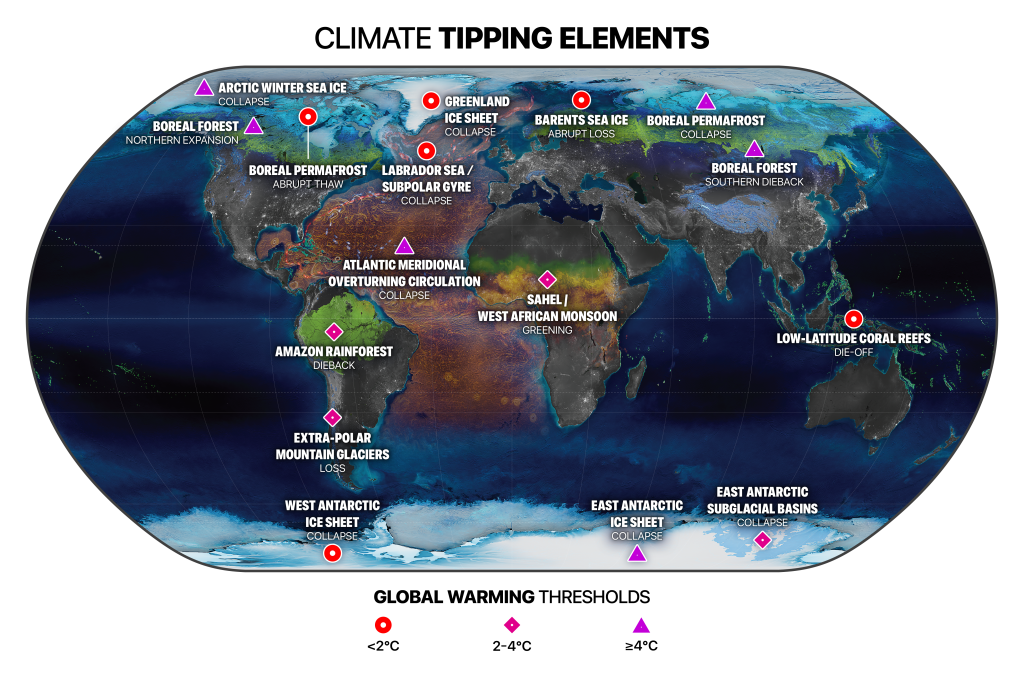
Climate tipping points occur when small changes in environmental conditions trigger abrupt and potentially irreversible shifts in the climate system. Examples include:
- Melting of the Greenland or West Antarctic ice sheets
- Collapse of the Amazon rainforest
- Disruption of the Atlantic Meridional Overturning Circulation (AMOC)
- Rapid thawing of permafrost releasing methane
Once a tipping point is crossed, natural feedback mechanisms can accelerate warming and ecological disruption. For related scientific perspectives on how communities adapt to technological and environmental change, see Community Biotechnology.
Current Research on Climate Tipping
Ice Sheet Vulnerability
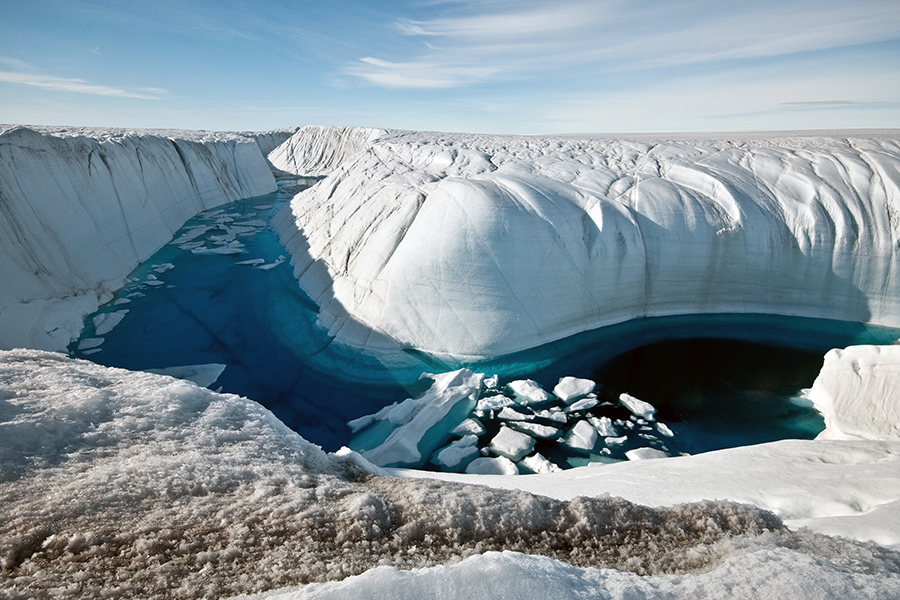
The Greenland and West Antarctic ice sheets are losing mass faster than previously predicted. Studies indicate that continued warming could commit these ice sheets to irreversible melting, raising global sea levels by several meters over the next centuries.
Amazon Rainforest and Biosphere Collapse
Deforestation, drought, and human-induced fires threaten the Amazon rainforest. Crossing a tipping threshold could transform this rainforest into a savanna-like ecosystem, releasing vast amounts of stored carbon and further accelerating global warming.
Ocean Currents and Climate Feedbacks
Disruption of the AMOC, a key component of global ocean circulation, could alter precipitation patterns in Europe, Africa, and the Americas. Such shifts may trigger cascading environmental and societal impacts. Permafrost Thaw and Methane Release
Permafrost regions in the Arctic contain enormous amounts of organic carbon. Thawing could release methane, a potent greenhouse gas, significantly amplifying warming in a feedback loop that is difficult to reverse.
Why Climate Tipping Points Are Hard to Predict
Although models are improving, predicting the exact timing and magnitude of tipping points is challenging due to:
- Complex interactions: Ecosystems, atmosphere, and oceans are interdependent.
- Feedback loops: Small changes can lead to large effects, sometimes suddenly.
- Human activity: Land use, emissions, and policy choices influence thresholds.
Climate modeling studies, including efforts described in Climate Modeling: How Scientists Predict the Future, help assess risks but uncertainty remains high.
Potential Impacts of Crossing Tipping Points
If key climate tipping points are crossed, consequences could include:
- Massive sea-level rise affecting coastal populations
- Extreme weather events like hurricanes, floods, and heatwaves
- Biodiversity loss and ecosystem collapse
- Food and water insecurity, potentially driving migration and conflict
Scientific communication is vital to raise awareness and promote policy action. For understanding how scientific messages spread and influence behavior, see Science on Social Media.
How Close Are We?
Recent studies suggest that some tipping points are alarmingly close. For instance:
- The Greenland ice sheet may have passed a point of no return for partial melting under current warming scenarios.
- Amazon deforestation is approaching levels where recovery is unlikely without substantial human intervention.
- Permafrost warming is accelerating, raising the risk of large-scale methane release.
These findings underscore the urgent need for emission reductions and ecosystem protection. Policy measures and global cooperation are essential to delay or avoid crossing irreversible thresholds. For a broader perspective on biotechnology’s role in mitigation and adaptation, check Community Biotechnology.
Mitigation and Adaptation Strategies
Addressing climate tipping points requires a combination of mitigation and adaptation strategies:
- Reducing greenhouse gas emissions: Transitioning to renewable energy, reforestation, and sustainable agriculture.
- Protecting vulnerable ecosystems: Safeguarding rainforests, wetlands, and coral reefs.
- Technological solutions: Carbon capture, climate-resilient crops, and bioengineered ecosystems. (Recently Discovered Vaccines offers an example of biotech’s potential in addressing global challenges.)
- Global policy and cooperation: International agreements and coordinated climate action are critical.
Frequently Asked Questions
What is a climate tipping point?
A threshold where small environmental changes trigger irreversible shifts in ecosystems or climate systems.
Which regions are most at risk?
Polar ice sheets, the Amazon rainforest, permafrost regions, and ocean currents are most vulnerable.
Can tipping points be reversed?
Once crossed, some tipping points may be irreversible, though partial recovery may be possible with intervention.
How close are we to crossing these thresholds?
Several tipping points, like Greenland ice melting and Amazon deforestation, are approaching critical levels.
What actions can prevent tipping points?
Reducing emissions, protecting ecosystems, advancing technology, and global policy cooperation are essential.
Si quieres conocer otros artículos parecidos a Climate Tipping Points: Are We Closer Than We Think? – 2026 Science Insights puedes visitar la categoría Environmental Science & Sustainability.
Scientific Outreach: A Comprehensive Guide to Understanding and Communicating Science

How Human Behavior Shapes the Future of Intelligent Systems: Psychology and IA

Is Psychology a Science? Unraveling the Debate in 2024

The science of color psychology: The Scientific Influence of Color on Human Behavior

Television as a resource to promote science

What Is Science?