

Gene Therapy in 2026: What Diseases Can We Actually Cure? – Advances & Limitations
33 seconds ago · Updated 32 seconds ago

Gene therapy has emerged as one of the most promising fields in modern medicine, offering the potential to cure diseases at their genetic root. By editing, replacing, or silencing genes, researchers aim to treat inherited disorders, cancers, and even prevent certain illnesses before they manifest. But in 2026, what diseases can realistically cure, and what challenges remain? This article delves into the current landscape the latest breakthroughs, and the realistic expectations for patients and clinicians.
Table
What Is Gene Therapy?
Gene therapy involves introducing, modifying, or silencing genetic material within a patient's cells to treat or prevent disease. The main approaches include:
- Gene replacement therapy: inserting a functional copy of a gene to compensate for a defective one.
- Gene silencing: turning off harmful genes responsible for disease.
- Gene editing: correcting mutations directly using tools like CRISPR-Cas9 or base editors.
This scientific approach relies heavily on advancements in biotechnology, stem cell research, and personalized medicine. For related insights into how science translates into community applications, see Community Biotechnology.
Diseases Currently Treatable with Gene Therapy
Inherited Genetic Disorders
Gene therapy has achieved significant success in treating rare inherited diseases. Notable examples include:
- Spinal Muscular Atrophy (SMA): Gene replacement therapies restore SMN1 function, greatly improving survival rates and motor skills in infants.
- Severe Combined Immunodeficiency (SCID): Patient stem cells are modified ex vivo to correct immune deficiencies, enabling a functional immune system.
- Hemophilia: Gene therapy allows some patients to produce clotting factors, reducing bleeding events and improving quality of life.
These therapies demonstrate how targeting the genetic root of disease can achieve long-lasting benefits compared to traditional symptom-focused treatments.
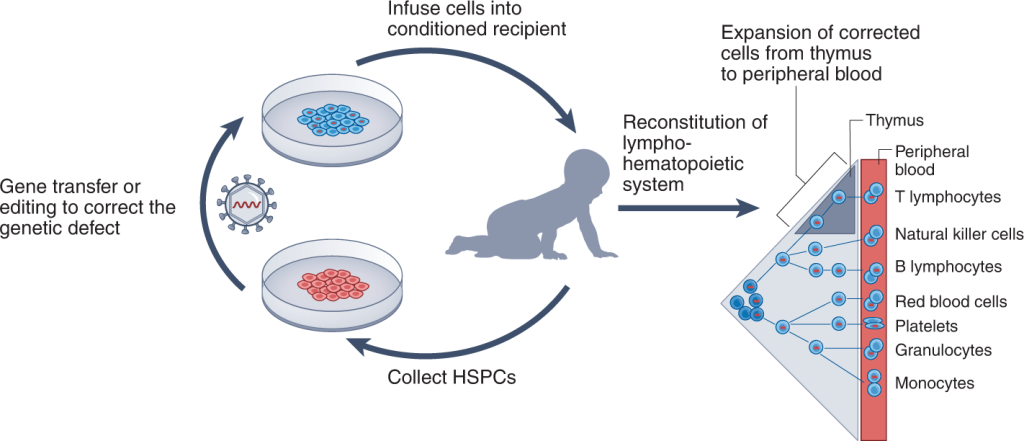
Cancer Applications
Gene therapy has also made strides in oncology. Techniques include:
- CAR-T cell therapies: Patient T-cells are engineered to attack cancer cells, showing success in leukemia and lymphoma. (Bias in Artificial Intelligence explores ethical considerations in emerging therapies.)
- Oncolytic gene therapies: Viruses engineered to target tumor cells are under trial for melanoma and glioblastoma.
Ophthalmologic Disorders
Inherited retinal diseases have benefited from gene therapy, restoring partial vision in conditions such as Leber congenital amaurosis. Eye disorders provide a model for successful localized gene therapies due to immune-privileged tissue environments.
Technological Advances Driving Progress
CRISPR and Base Editing
CRISPR-Cas9 and base editing tools allow precise correction of genetic mutations, providing potential cures for diseases like sickle cell anemia and beta-thalassemia. (Explainable AI research parallels in precision and accuracy, highlighting the importance of controlled interventions.)
Delivery Systems
Delivering genetic material safely to target cells is crucial. Adeno-associated viruses (AAVs) are widely used, while lipid nanoparticles and exosomes are emerging as safer alternatives. Innovations in delivery improve efficacy and reduce immune reactions.
Challenges Limiting Gene Therapy Today
Immune Response
The body can recognize viral vectors as foreign, triggering immune reactions that reduce therapy effectiveness. Reducing immunogenicity remains a key research focus. For how technology communicates with the public and its impact on perception, see Science on Social Media.
Cost and Accessibility
Gene therapies are extremely expensive, often exceeding several hundred thousand dollars per patient, making accessibility a major concern for global healthcare systems.
Ethical and Regulatory Considerations
Editing human genes, especially in embryos or germline cells, involves ethical dilemmas. Regulatory oversight ensures patient safety, informed consent, and monitoring of long-term effects.
What the Future Holds
While current gene therapies focus on rare genetic disorders, cancers, and retinal diseases, future applications may expand to metabolic disorders, neurodegenerative diseases, and cardiovascular conditions. Coupled with advances in lab-grown organs (Community Biotechnology) and personalized medicine, the potential for gene therapy to revolutionize healthcare is enormous.

Frequently Asked Questions
Which diseases can gene therapy currently treat?
Gene therapy is used for SMA, SCID, hemophilia, certain cancers, and inherited retinal diseases.
Is gene therapy safe for all patients?
While generally safe, risks include immune reactions, off-target effects, and variable efficacy.
How does CRISPR improve gene therapy?
CRISPR allows precise editing of genetic mutations in patient cells, potentially correcting disease at its root.
Can gene therapy cure common diseases like diabetes?
Currently, gene therapy targets rare genetic disorders and select cancers; common diseases remain experimental.
Are gene therapies affordable?
They are costly, often hundreds of thousands per patient, limiting accessibility worldwide.
Si quieres conocer otros artículos parecidos a Gene Therapy in 2026: What Diseases Can We Actually Cure? – Advances & Limitations puedes visitar la categoría Health & Medicine.
Explainable AI: Why Understanding How a Machine Makes Decisions Is as Important as Its Accuracy

How Long Does a UTI Last? Scientific Insights into Duration, Treatment, and Recovery

Lab-Grown Organs: How Close Are We to Bioprinting Transplants? – A 2026 Science Overview

The limits of artificial intelligence: What can't machines do yet?

Community Biotechnology: Citizen Labs and Science Outside of Academia

Body Language News: What Recent Studies Reveal About Nonverbal Communication