

How Long Does a UTI Last? Scientific Insights into Duration, Treatment, and Recovery
2 months ago · Updated 34 seconds ago

Introduction
Urinary tract infections (UTIs) are among the most common bacterial infections experienced by humans. Despite their prevalence, there is considerable confusion and variability around one critical question: **How long does a UTI last?** The answer is not one-size-fits-all. It depends on many factors: whether the infection is complicated or uncomplicated, whether antibiotics are used, patient-specific variables, and more.
In this article, we explore **How Long Does a UTI Last? Scientific Insights into Duration, Treatment, and Recovery** based on the latest research. We'll dig into durations in different settings, what determines recovery speed, optimal treatment strategies, and how long symptom relief and full recovery might take. If you're writing for health-conscious readers or building a medical/health blog, this will be strong content with SEO value and scientific grounding.
Table
- What Is a UTI? Types and Anatomy
- Typical Duration of a UTI: What the Research Says
- Upper UTIs (Pyelonephritis) and Complicated Cases
- Duration Without Antibiotics vs With Antibiotics
- Age, Sex & Anatomy
- Antibiotic Resistance & Choice of Drug
- Short‑Course vs Longer Antibiotic Regimens
- Supportive Measures & Symptom Relief
- Symptom Relief Phase
- Tissue Healing & Post‑UTI Sensitivity
- When to Seek Medical Review / Redirect Course
- Prevention, Recurrence, and Long-Term Outlook
What Is a UTI? Types and Anatomy
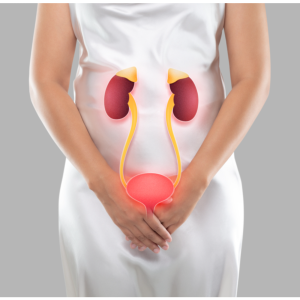
A urinary tract infection (UTI) occurs when pathogenic bacteria (most often *Escherichia coli*) invade the urinary tract, multiply, and trigger inflammation and symptoms. The site and severity of infection influence the clinical picture and duration.
Anatomically, the shorter female urethra is one reason UTIs are more common in women. Men have a longer urethra and often, male UTIs are classified as complicated by default. Treatment strategies and expected durations differ accordingly.
Typical Duration of a UTI: What the Research Says
Let’s review what empirical evidence and clinical sources tell us.
In healthy individuals with uncomplicated bladder infections, treated with appropriate antibiotics, many sources report symptom resolution within a few days.
Thus, for uncomplicated lower UTIs, an expectation of 2–4 days for meaningful symptomatic improvement is reasonable.
Upper UTIs (Pyelonephritis) and Complicated Cases
When the infection ascends to the kidney (pyelonephritis) or occurs in a complicated host, durations are longer:
- In such severe cases, **symptom resolution may take a week or more**.
- Among older men with suspected UTIs, a retrospective cohort found that very short antibiotic regimens (3 days) had greater odds of needing repeat prescriptions compared to 7-day regimens.
- In clinical guidelines and retrospective data (e.g. JAMA Internal Medicine), shorter-than-recommended therapy (3–7 days) in cases with complicating factors was associated with more frequent retreatment.
Therefore, in complicated or upper UTIs, expect symptom resolution beyond 4–7 days, and sometimes longer courses.
Duration Without Antibiotics vs With Antibiotics
A key question is: how long might a UTI last if untreated? And how much do antibiotics shorten the timeline?
- The observational analysis cited earlier showed antibiotics reduce recovery time by around 2 days on average compared to not taking antibiotics. :contentReference[oaicite:6]{index=6}
- Some patients with mild symptoms may improve spontaneously, but without treatment the symptoms often persist longer and risk complications. *Medicine.com* notes untreated UTIs can prolong symptoms by approximately four extra days.
- However, letting a UTI “run its course” carries risk, especially if it spreads upward or involves vulnerable patients.
In sum: antibiotics are beneficial not only for symptom relief but also for reducing complications and speeding recovery, especially in most patients.

Age, Sex & Anatomy
- **Women vs Men**: Women are more prone to UTIs due to shorter urethra and closeness to bacterial reservoirs. However, men often have more complicated courses, so their UTIs tend to last longer. *Prevention* states that male UTIs often last 3–7 days (or even weeks).
- **Older Adults**: In elderly women, the Cochrane review suggests shorter courses (3–6 days) are often as effective as longer courses (7–14 days) for uncomplicated UTIs, without increased recurrence.
- **Children**: In pediatric UTIs, one retrospective cohort (ages 2–17) found that antibiotic treatment duration was not significantly associated with higher recurrence, whether 7 or 10–14 days.
Antibiotic Resistance & Choice of Drug
- If the bacteria are resistant to the selected antibiotic, the duration may extend or fail entirely.
- Overuse of broad-spectrum or prolonged therapies may disrupt microbiomes and paradoxically increase recurrence risk. For example, a study on male UTIs noted that longer antibiotic treatment (>7 days) was associated with higher recurrence in men without complicating factors.
- Antibiotic stewardship is therefore important—use the narrowest effective agent for the shortest duration necessary.
Comorbidities, Structural Issues & Underlying Conditions
- Patients with urinary stones, obstruction, catheters, diabetes, immune compromise, or anatomical abnormalities are more likely to have prolonged or recurrent infections.
- Recurrent UTI risk is higher in people with underlying urological anomalies.
Adherence to Treatment & Reinfection Risk
- Incomplete adherence (skipping doses or stopping early) can prolong or fail to resolve infection.
- Reinfection (getting a new infection) vs relapse (same strain) complicates interpretation of “duration.”
- Hydration, voiding habits, hygiene, and sexual practices influence reinfection risk.
 Treatment Recommendations (Based on Evidence)
Here we consider evidence-based approaches to antibiotic regimens and supportive care.
Short‑Course vs Longer Antibiotic Regimens
- In male UTIs without complicating conditions, a study showed that treating for more than 7 days did not confer additional benefits and may increase recurrence.
- In older men, very short regimens (3 days) were linked to higher odds of needing reconsultation or represcription compared to 7-day regimens.
- In elderly women with uncomplicated UTIs, the Cochrane review suggests that short-course (3–6 days) regimens may be sufficient compared to longer (7–14 days) regimens.
- In pediatric UTIs, a study showed no significant increase in recurrence when comparing 7 vs 10–14 day regimens (for uncomplicated cases).
- That said, JAMA Internal Medicine cautions that in complicated infections, too-short regimens (3–5 days) had more retreatment in men with complicating factors.
Guideline consensus: for uncomplicated lower UTIs in healthy individuals, **short-course therapy** (3–7 days depending on agent) is often adequate. For complicated or upper UTIs, longer courses (7–14 days or more) are generally warranted.
- **Men**: Most male UTIs are considered complicated; many protocols use 7–14 day regimens. Some evidence supports shorter courses in select men without complicating factors.
- **Older Adults**: Dose adjustment and side effect risk should be considered; evidence supports short-course therapy in many elderly women.
- **Children**: For uncomplicated UTIs, standard durations (often 7–10 days) remain common, although some evidence suggests shorter courses may suffice without increasing recurrence.
Supportive Measures & Symptom Relief
In addition to antibiotics:
- **Hydration**: Drinking sufficient fluids to flush the urinary tract.
- **Pain relief / urinary analgesics**: e.g. phenazopyridine (where available) to relieve burning sensations.
- **Frequent voiding**: Don’t “hold” urine, empty bladder fully each time.
- **Avoid bladder irritants**: caffeine, alcohol, spicy foods while symptoms persist.
- **Cranberry products, D-mannose, probiotics**: evidence is mixed; they may help in prevention but are not reliable for acute resolution.
- **Heating pads / warm baths**: to soothe suprapubic discomfort.
These measures do not replace antibiotics but may comfort symptoms during the recovery phase.
Symptom Relief Phase
- **Within 24–48 hours** of antibiotic initiation, many patients begin to experience **reduced burning, urgency, and pain**.
- By **day 3 to 4**, many people with uncomplicated UTIs achieve substantial symptom relief, and often this is when they feel “mostly better.”
- However, **full resolution of symptoms** (no dysuria, no frequency, normal bladder comfort) might take **4–7 days** or more depending on severity.
Tissue Healing & Post‑UTI Sensitivity
- Even after bacterial eradication, the urinary tract tissues (lining of bladder/urethra) may remain irritated or hyper‑sensitive for days to weeks.
- Some patients report residual discomfort, burning, or intermittent sensitivity beyond the main infection period. For example, anecdotal accounts note lingering urethral irritation for up to **two to three weeks or more** post-treatment.
- For those with chronic or recurrent UTIs, the baseline may fluctuate, so distinguishing residual changes from new infection is key.
When to Seek Medical Review / Redirect Course
If symptoms persist or worsen after expected windows (e.g. by day 3–4), or if fever, flank pain, hematuria, or systemic signs appear, medical review is essential. Possible causes:
- Wrong antibiotic / resistant organism
- Complication (abscess, obstruction)
- Underlying anatomical abnormality
- Recurrent infection / relapse
At that point, a clinician may order **urine culture, imaging, longer antibiotic therapy, or specialist referral**.
Prevention, Recurrence, and Long-Term Outlook
A single UTI episode may resolve, but many people worry about recurrence. Here’s how to think about prevention and prognosis.
-Recurrence risk**: Especially in women, recurrent UTIs are common (≥2 UTIs in 6 months or ≥3 in a year).
-Prophylactic strategies**: Low-dose or post-coital antibiotics, behavioral changes (voiding before/after sex, proper hygiene), cranberry or D-mannose supplements (with caution), probiotics.
- Vaccine research**: A bacterial vaccine known as **MV‑140 / Uromune** is under study. In some observational studies, it reduced UTIs long-term and increased UTI-free intervals.
- **Long-term outlook**: Most uncomplicated UTIs resolve without lasting harm, but repeated infections may warrant deeper evaluation (urology, imaging, functional studies).
By understanding **How Long Does a UTI Last? Scientific Insights into Duration, Treatment, and Recovery**, clinicians and patients can set realistic expectations and optimize care.
UTIs are common but diverse in presentation. The question *How Long Does a UTI Last? Scientific Insights into Duration, Treatment, and Recovery* doesn’t have one single answer—but evidence offers clarity:
- In uncomplicated lower UTIs, treated appropriately, symptom relief often begins within 1–2 days, and many patients feel substantially better by day 3–4.
- Upper or complicated UTIs require longer therapy and recovery timelines (often a week or more).
- Antibiotic choice, resistance patterns, host factors, and adherence play major roles in the duration.
- Even after eradication, residual irritation may linger, so full recovery may stretch beyond the infection window.
- Prevention and recurrence strategies are crucial for long-term urinary health.
If symptoms persist or worsen beyond expected timeframes, or recur frequently, consulting a healthcare provider for investigation and tailored therapy is essential.}
Si quieres conocer otros artículos parecidos a How Long Does a UTI Last? Scientific Insights into Duration, Treatment, and Recovery puedes visitar la categoría Health & Medicine.
Inside a Vacuum Chamber: What Science Experiments Reveal in Extreme Conditions

The limits of artificial intelligence: What can't machines do yet?

What is Environmental Science? A Comprehensive Guide for 2024
Psychology and Artificial Intelligence: How Human Behavior Shapes the Future of Intelligent Systems

The Role of AI in Scientific Research: Revolutionizing the Future

Artificial intelligence applied: the most surprising examples