New
20/02/2026 Gene Therapy in 2026: What Diseases Can We Actually Cure? – Advances & Limitations
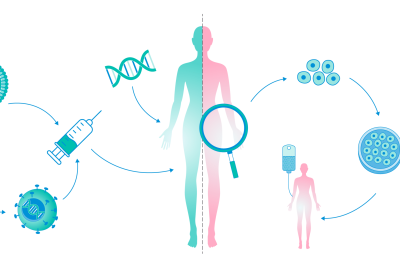
Gene therapy has emerged as one of the most promising fields in modern medicine, offering the potential to cure diseases…

Health and medicine are grounded in the systematic study of the human body, disease mechanisms, and interventions designed to prevent, diagnose, and treat illness. Medical science integrates biology, chemistry, physics, and data science to understand how physiological systems function and how they can fail under genetic, environmental, or infectious pressures.
Unlike anecdotal or purely experiential approaches to health, medical science relies on empirical evidence generated through controlled research, clinical trials, and population-level studies. This evidence-based framework allows medical knowledge to evolve, refining treatments and guidelines as new data emerge.
At Directory of Science, health and medicine are explored through a scientific and educational lens, prioritizing accuracy, context, and responsible interpretation over simplification or alarmism.
Biomedical research forms the backbone of modern medicine. It investigates biological processes at molecular, cellular, and systemic levels to uncover the origins of disease and identify potential therapeutic targets.
Laboratory studies reveal how genes, proteins, and biochemical pathways contribute to health and pathology. Translational research then bridges laboratory findings with clinical application, ensuring that discoveries lead to practical interventions. This pipeline from bench to bedside is iterative, requiring continuous validation and refinement.
Clinical research evaluates medical interventions in real-world settings. Through observational studies, randomized controlled trials, and meta-analyses, researchers assess the safety and effectiveness of treatments across diverse populations.
Evidence-based medicine integrates clinical expertise with the best available research and patient values. This approach recognizes that scientific evidence must be interpreted within individual and societal contexts, avoiding one-size-fits-all solutions while maintaining rigorous standards of care.
Public health focuses on preventing disease and promoting health at the population level. It examines patterns of illness, risk factors, and health outcomes across communities, using epidemiology and biostatistics to inform policy and intervention.
Vaccination programs, sanitation systems, and disease surveillance exemplify how public health science improves collective well-being. Research in this field also addresses health disparities, environmental exposures, and the social determinants that influence health outcomes beyond biological factors alone.
Advances in medical science continuously reshape how diseases are treated and managed. Innovations such as precision medicine, biologic therapies, and minimally invasive procedures reflect deeper understanding of disease mechanisms and technological capability.
Digital health tools, including wearable sensors and data-driven diagnostics, support earlier detection and personalized monitoring. While promising, these innovations require careful validation to ensure accuracy, safety, and equitable access.
Mental health research applies neuroscience, psychology, and psychiatry to understand cognition, emotion, and behavior. Conditions affecting mental well-being are studied through biological, psychological, and social frameworks that recognize the complexity of brain function and human experience.
Scientific advances have improved diagnosis and treatment, yet mental health remains an area where stigma and misinformation persist. Rigorous research and clear communication are essential for translating scientific understanding into effective and compassionate care.
Health is shaped by interactions between biological predisposition and environmental exposure. Nutrition, physical activity, pollution, and stress influence disease risk and progression, often in cumulative ways.
Medical research increasingly emphasizes prevention, recognizing that lifestyle and environmental interventions can reduce disease burden more effectively than treatment alone. This perspective aligns health science with sustainability, urban planning, and social policy.
Ethical oversight is fundamental to medical research and practice. Institutional review processes, informed consent, and regulatory standards protect participants and ensure scientific integrity.
Trust in medicine depends on transparency, accountability, and clear communication of uncertainty. As medical science becomes more complex, maintaining public confidence requires careful distinction between evidence-based guidance and evolving hypotheses.
Modern health science is inherently interdisciplinary. It draws from genomics, artificial intelligence, environmental science, and social research to address multifaceted health challenges.
This integration enables more comprehensive understanding of disease and supports innovative approaches to care. It also highlights the importance of collaboration across scientific and professional boundaries in improving health outcomes globally.
What is evidence-based medicine?
Evidence-based medicine combines clinical expertise with high-quality research and patient values to guide healthcare decisions.
How does biomedical research influence treatment?
It identifies disease mechanisms and therapeutic targets that inform the development of new diagnostics and treatments.
What is the role of public health in medicine?
Public health focuses on disease prevention and health promotion at the population level rather than individual treatment.
Are medical innovations always immediately adopted?
No. New interventions require validation, regulation, and long-term evaluation before becoming standard practice.
How is mental health studied scientifically?
Through research in neuroscience, psychology, psychiatry, and social science examining brain function and behavior.
Can lifestyle factors influence health outcomes?
Yes. Nutrition, activity, and environmental exposure significantly affect disease risk and progression.
Why is ethics important in medical research?
Ethics protect participants, ensure scientific integrity, and maintain public trust in medical science.
How does technology support modern medicine?
Technology enables improved diagnostics, data analysis, monitoring, and personalized approaches to care.
4 articles
Gene Therapy in 2026: What Diseases Can We Actually Cure? – Advances & Limitations
Gene therapy has emerged as one of the most promising fields in modern medicine, offering the potential to cure diseases…

Comprehensive Guide to Recently Discovered Vaccines
The landscape of immunization has evolved rapidly over the last decade, driven by scientific innovation, global collaboration, and unprecedented advances…

How Long Does a UTI Last? Scientific Insights into Duration, Treatment, and Recovery
Introduction Urinary tract infections (UTIs) are among the most common bacterial infections experienced by humans. Despite their prevalence, there is…

The Skeleton Hand: Anatomy, Functions, and Scientific Curiositie
Introduction: The Human Hand, Nature’s Masterpiece Few structures in the human body are as fascinating or as essential as the…